24 Bottle Flip Game Ideas to Keep Fun Rolling
You’d think flipping a water bottle would get boring after the third attempt. You’d be wrong. Bottle flipping has this sneaky way of becoming a two-hour session you didn’t plan for, complete with near-misses, impossible trick shots, and at least one person insisting they ‘almost had it.’ Whether you’re looking for party games, backyard activities, or something to do on a rainy afternoon, these 24 bottle flip game ideas turn a single plastic bottle into an entire afternoon of entertainment. These challenges work well alongside School Carnival Games.
1. Classic One-Flip Challenge
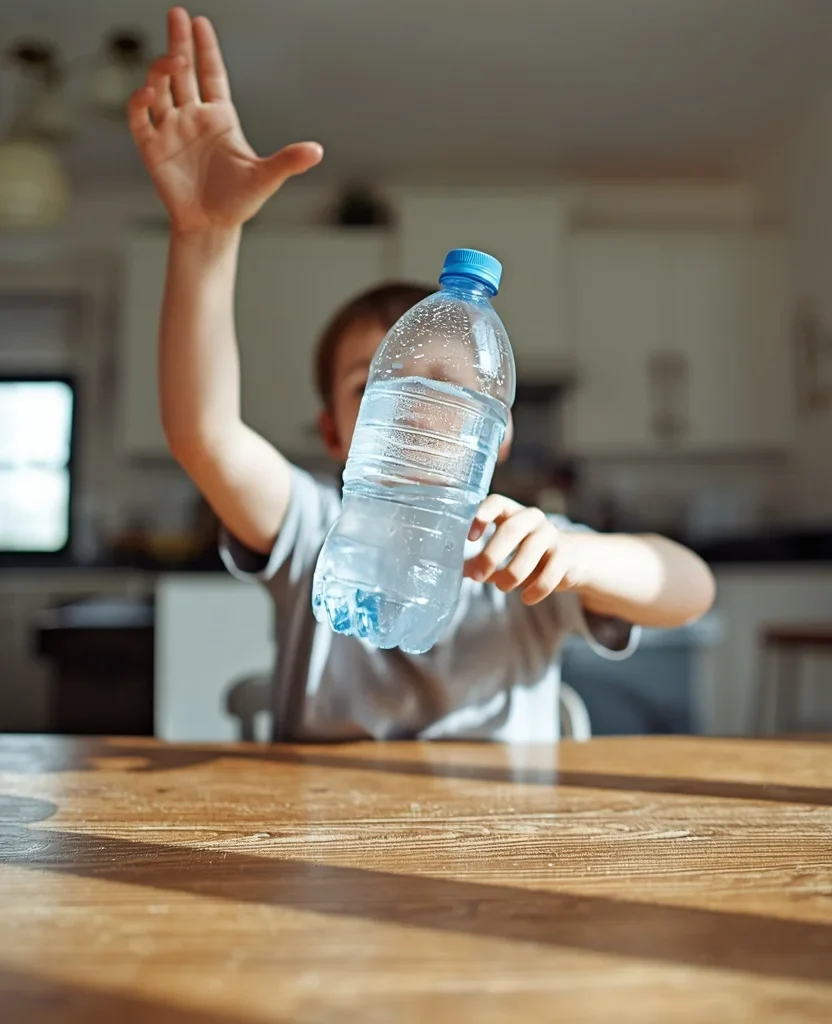
The one-flip challenge is where every bottle flip journey begins. The goal is simple: flip a half-filled water bottle and land it upright. It sounds easy. It is absolutely not easy — and that gap between expectation and reality is what makes it so addictive. You’ll attempt this about 47 times before you land it, and somehow that makes the landing feel like a personal achievement worthy of applause.
The key to nailing the classic flip is fill level. Too full and the bottle tumbles without rotating; too empty and it spins out of control. About a third to halfway full hits the sweet spot. Snap the bottle forward with your wrist rather than your whole arm — it’s about finesse, not force. Once you crack the timing, you’ll start landing it consistently and immediately want to make it harder. They always do.
2. Timed Speed Flip Contest
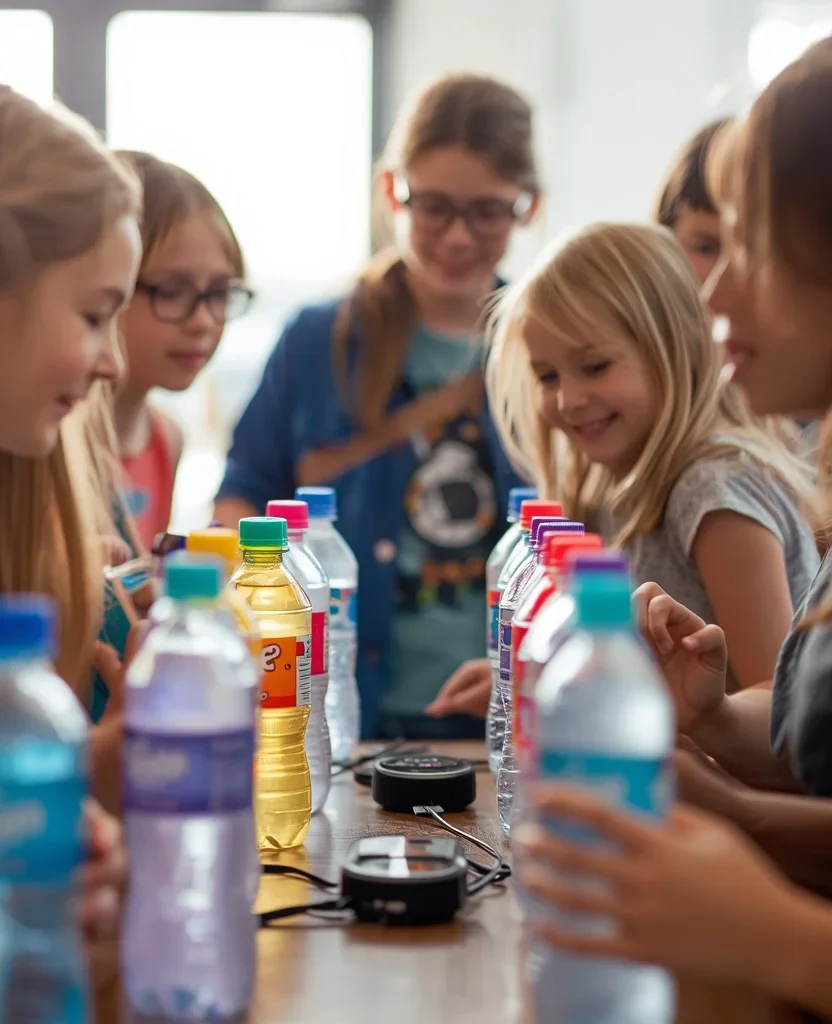
Want to settle things fast and definitively? Run a timed speed flip contest. Each player gets 60 seconds to land as many bottle flips as possible. The person with the most successful landings at the end of the minute wins. This format is endlessly replayable, takes zero setup, and immediately creates the kind of competitive energy that turns a lazy afternoon into a tournament.
The speed format also visibly rewards practice — better technique shows up in higher scores, which feels satisfying rather than frustrating. Rotate players in head-to-head rounds for extra drama. Use a free phone timer and keep a simple tally on a whiteboard or paper. Add a simple prize (bragging rights count), and this game will run itself for an hour. FYI, the trash talk is completely optional but highly recommended.
3. Bottle Flip Knockout
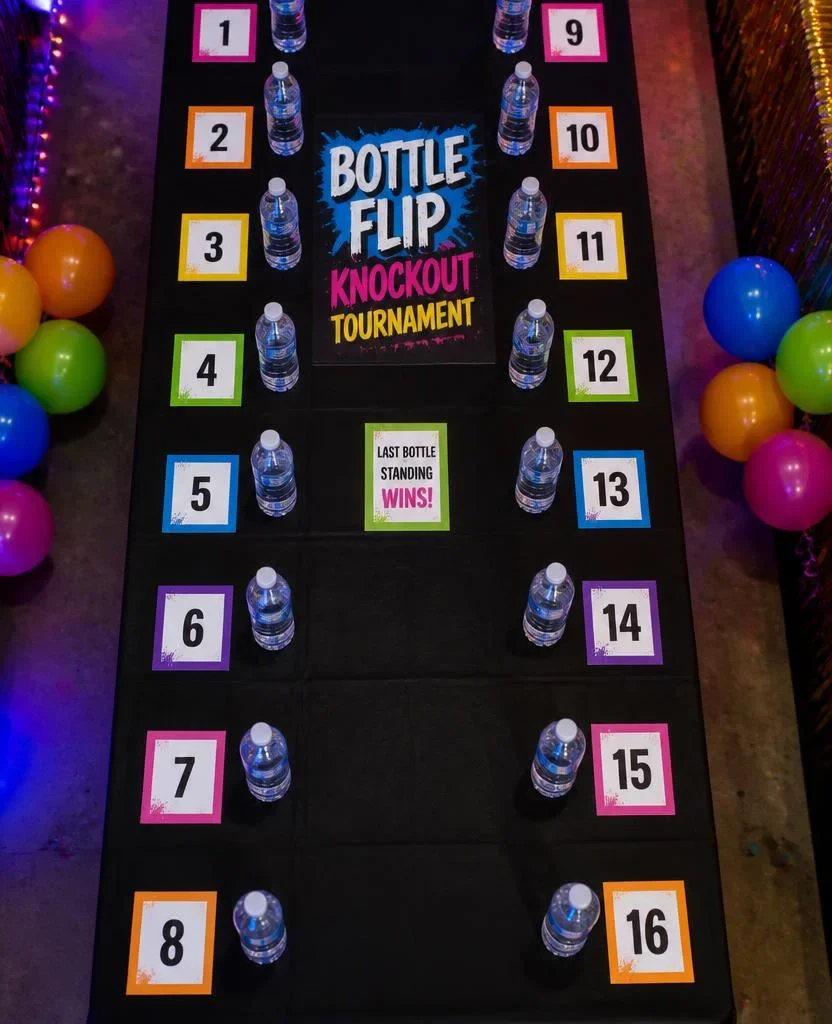
Knockout is the tournament format that bottle flip games deserve. Every player starts with three lives. Miss a flip, lose a life. Lose all three, and you’re out. Last person standing wins. The beauty of this format is that it scales perfectly — you can run it with four players or forty, and the tension builds naturally as the field narrows. Nobody stops watching when eliminations are on the line.
Add a pressure element by giving players only 10 seconds per attempt. The clock adds stress, stress causes mistakes, and mistakes cause entertaining chaos — which is, frankly, the whole point. You can also introduce a ‘save’ rule where a player can attempt a bonus flip to recover a lost life. Keep the rules simple on the first round, then layer in variations once everyone understands the format.
4. Distance Flip Challenge
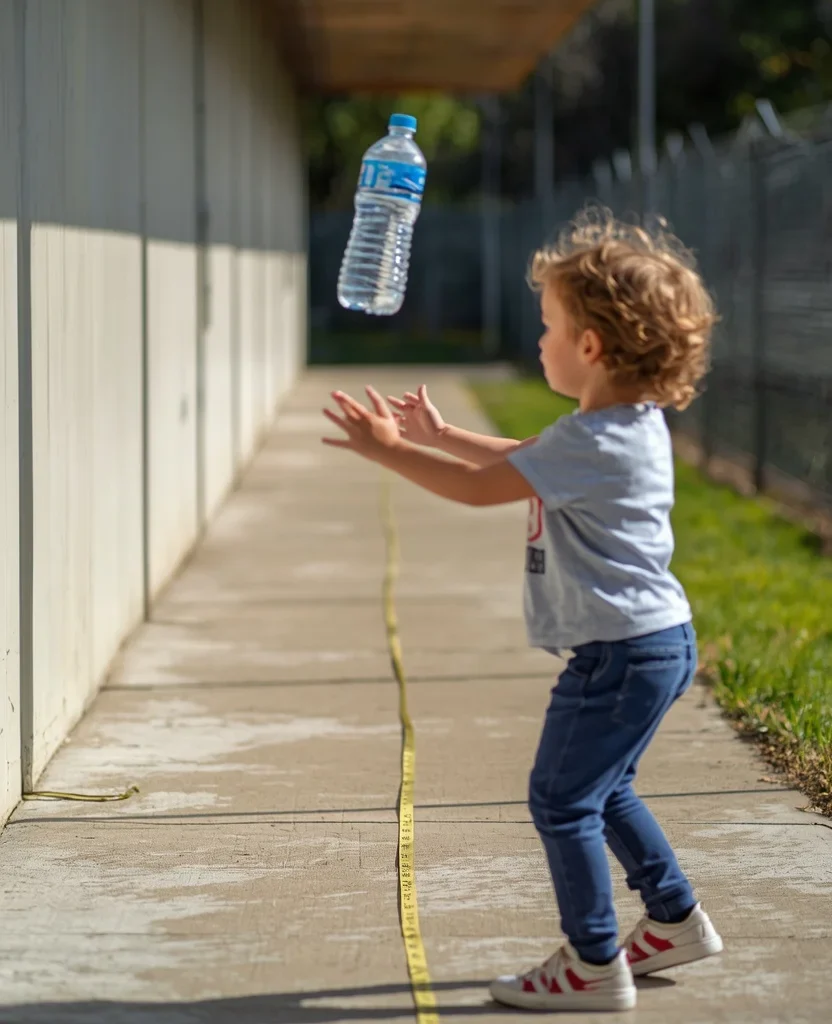
Who said bottle flipping had to happen on a table? The distance flip challenge opens up a whole new dimension — literally. Players stand at a starting line and flip the bottle forward, trying to land it as far from their position as possible. The bottle has to land and stay upright to count. The flip that lands farthest wins. It’s simple, outdoor-friendly, and surprisingly technical.
The challenge here is balancing distance and landing stability. A big toss gets distance but often throws off the rotation, so players have to figure out the right angle and power for their technique. Use chalk marks or tape on the ground to mark each player’s record. This works brilliantly on a driveway, in a backyard, or down a hallway. IMO, it’s one of the best outdoor bottle flip variants because it uses space creatively.
5. Obstacle Course Flip
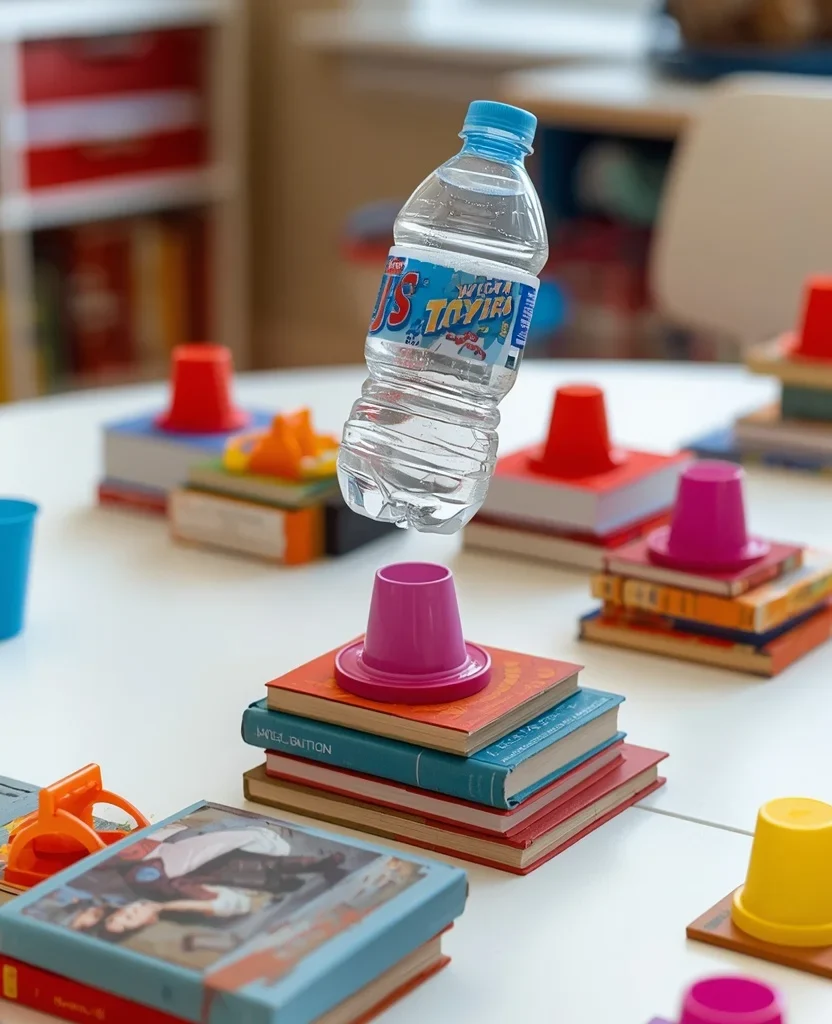
Set up a mini obstacle course on a table or floor and make players flip the bottle over or past each obstacle before landing it. Use books, cups, small toys, or rolled towels as obstacles at varying heights. Players work through the course in order, and each successful flip past an obstacle counts as a point. This version adds a spatial challenge that the classic format doesn’t have.
The design of the course is half the fun. Let players take turns building obstacles for each other — this creates a game-design element that kids especially love. Make one obstacle easy, one medium, and one genuinely annoying, and you’ve got a balanced challenge that keeps everyone engaged. Vary obstacle heights and distances between stations so no two attempts feel the same. This variant rewards creativity as much as flipping skill.
6. Blindfold Bottle Flip
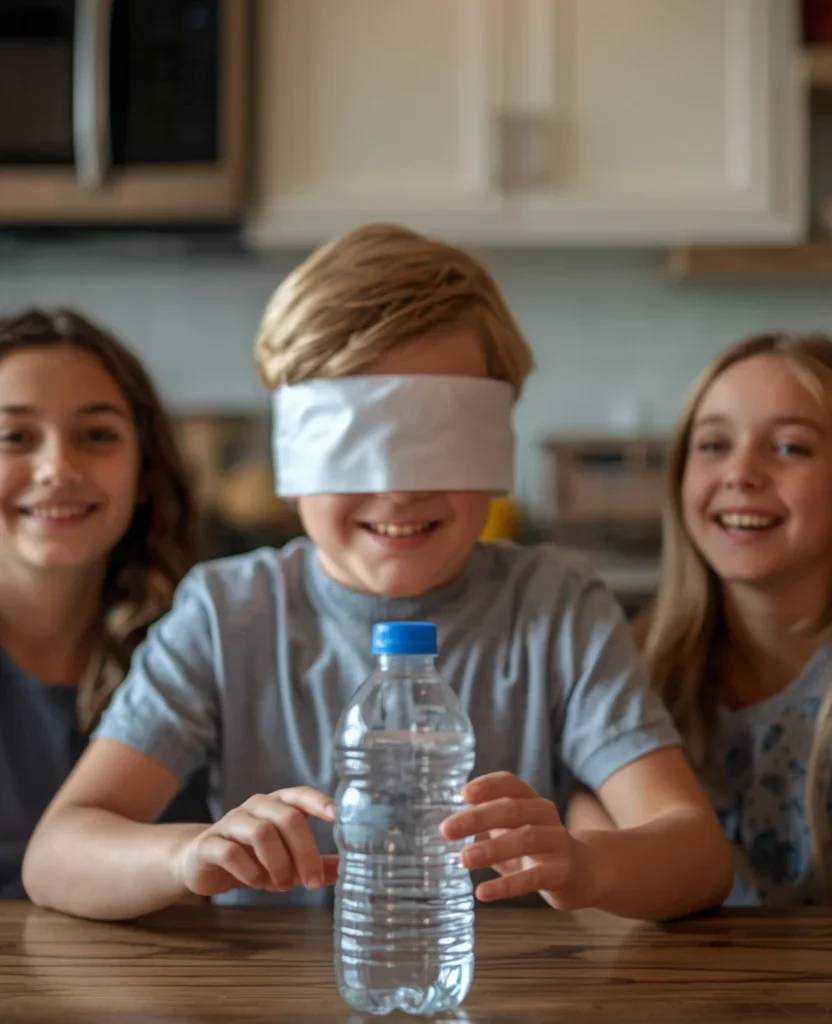
Take everything that makes bottle flipping challenging and remove the one sense you rely on most. The blindfold flip is exactly as chaotic as it sounds — and it’s fantastic. Players flip the bottle without being able to see the table, guided only by muscle memory and spatial awareness. Landings are rare, celebrations are loud, and everyone watching will have opinions about technique that they absolutely did not ask for.
This works best after players have practiced the regular flip enough to build some muscle memory. Spin them around once before the attempt if you really want to see things go sideways — pun intended. Keep a tally of successful blindfold landings across multiple attempts. You’ll be surprised by who does well with this one; sometimes the players with the most ingrained technique fare better than the ones who rely heavily on visual feedback.
7. Bottle Flip Bingo
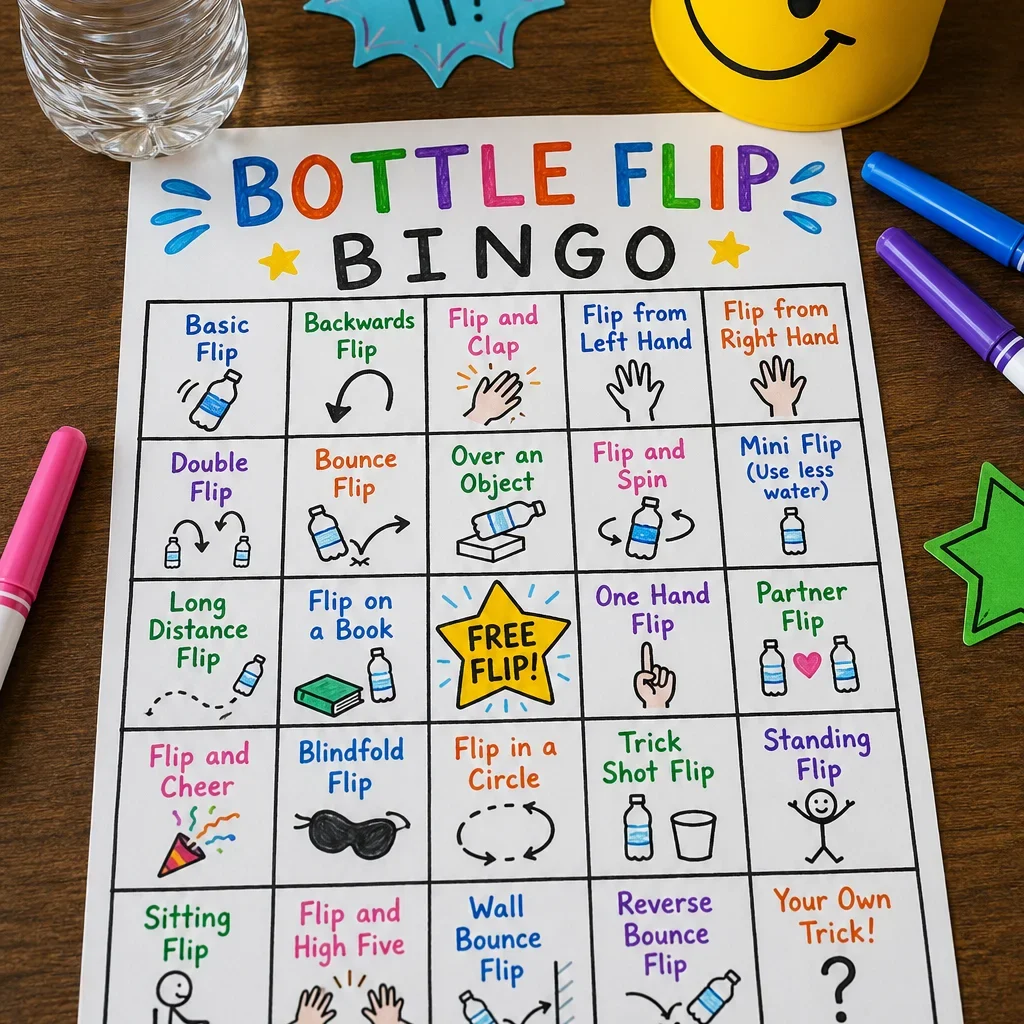
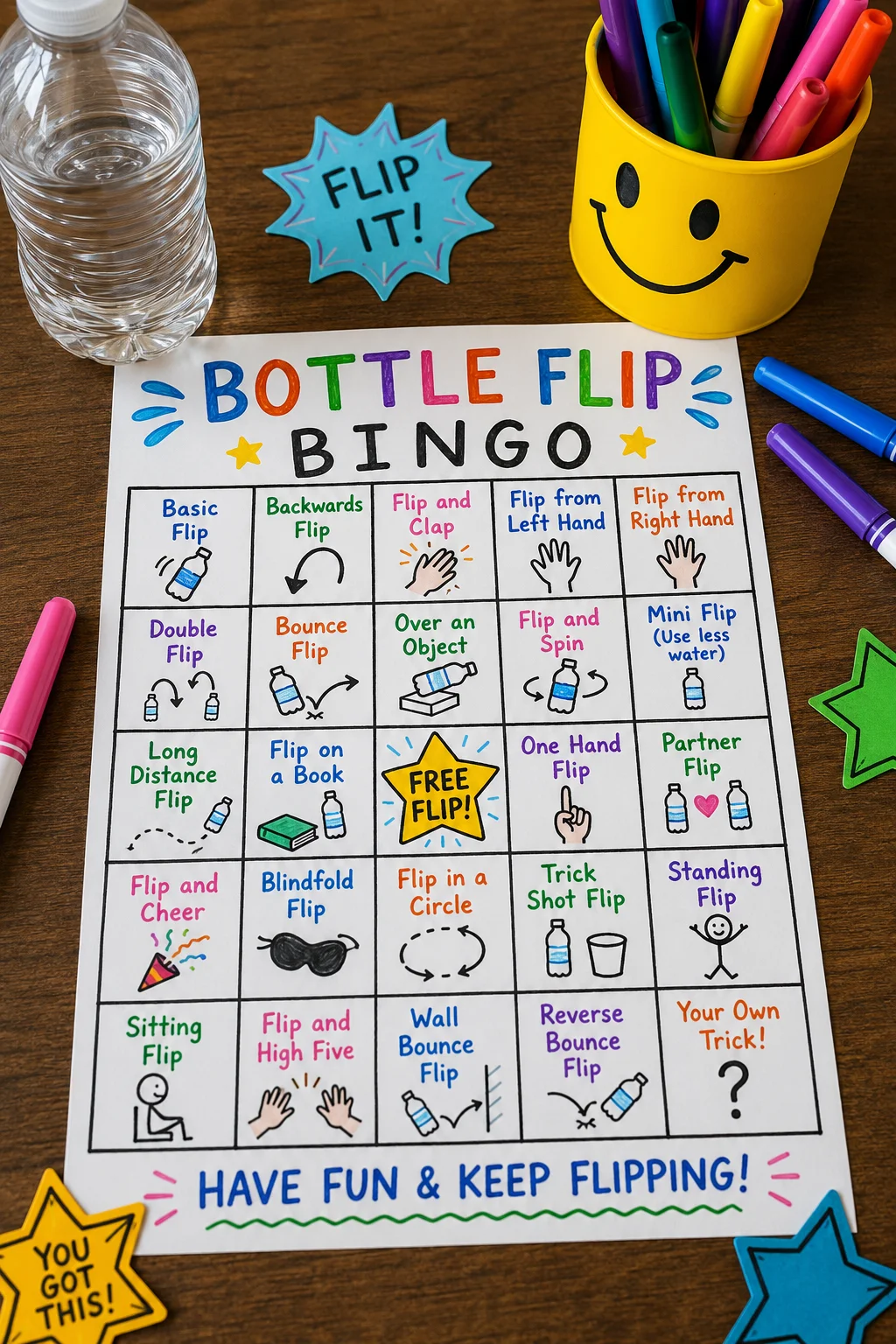
Bottle flip bingo is a creative way to structure a longer play session with multiple challenges. Make a 5×5 bingo grid where each square contains a different bottle flip challenge — one-handed flip, flip from a chair, flip over a stuffed animal, flip with eyes closed, and so on. Players complete challenges in any order to form a line. First to bingo wins, but the real fun is attempting the weird squares nobody wants to do.
Print or hand-draw the bingo cards in advance and customize them to your space and age group. Harder challenges go in the center squares; easier ones line the edges. This format works brilliantly as a birthday party activity because it keeps everyone busy simultaneously, rather than waiting for a turn. Each player works through their own card, so there’s no downtime. Add stickers or small treats as prizes for completing a bingo.
8. Partner Flip Relay
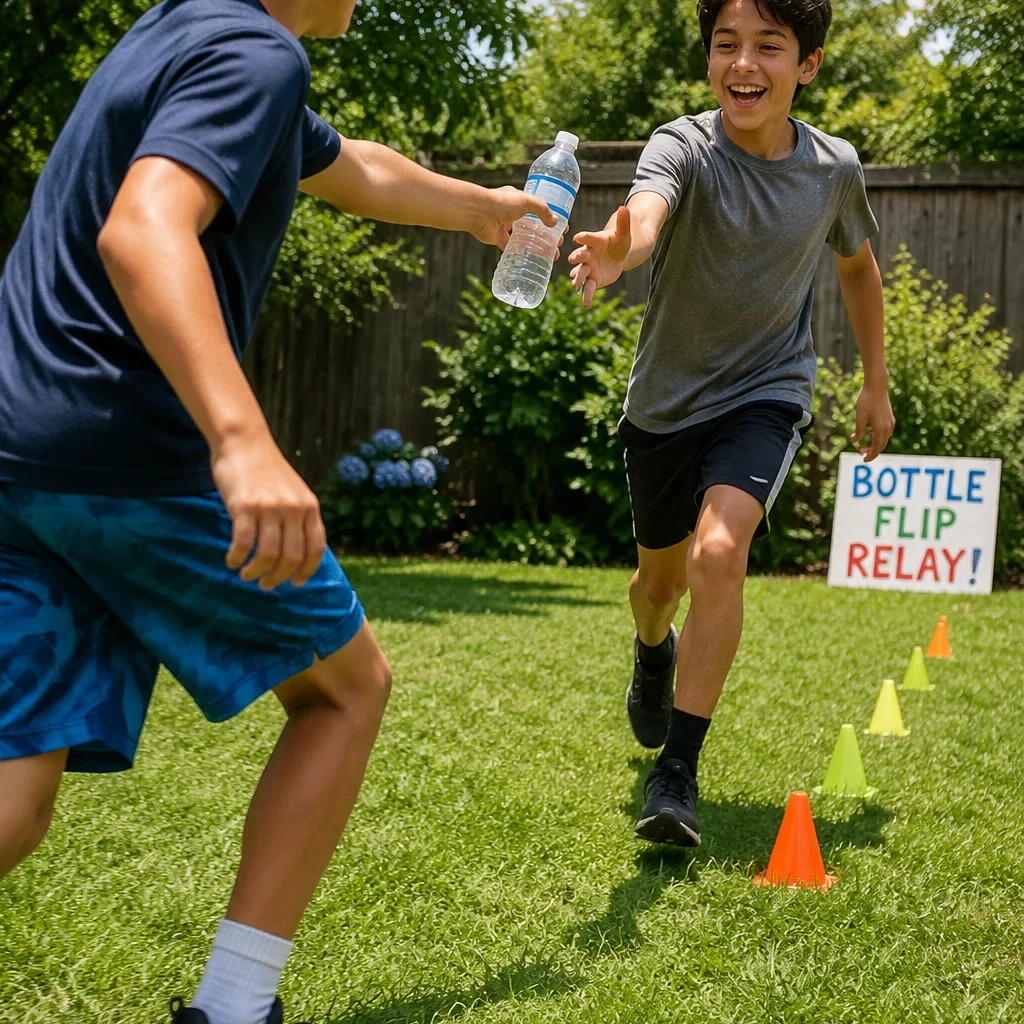
Teamwork makes the flip work — and the partner relay format proves it. Two-player teams take turns flipping the bottle toward a finish line marker. Player A flips from the start, and wherever the bottle lands (if upright), Player B flips from that spot. Keep alternating until the team reaches the end marker. First team to cross wins. This combines individual skill with team strategy in a way that feels genuinely exciting.
Encourage partners to develop a flip strategy together — shorter controlled flips vs. big distance attempts. Teams quickly realize that consistent landings beat flashy misses every time, which is actually a great lesson wrapped in a silly game. Run it as a race between multiple pairs simultaneously for maximum energy. Works perfectly in a backyard, gym, or long hallway. Best part? The winning team earns serious bragging rights.
9. Trick Shot Challenge
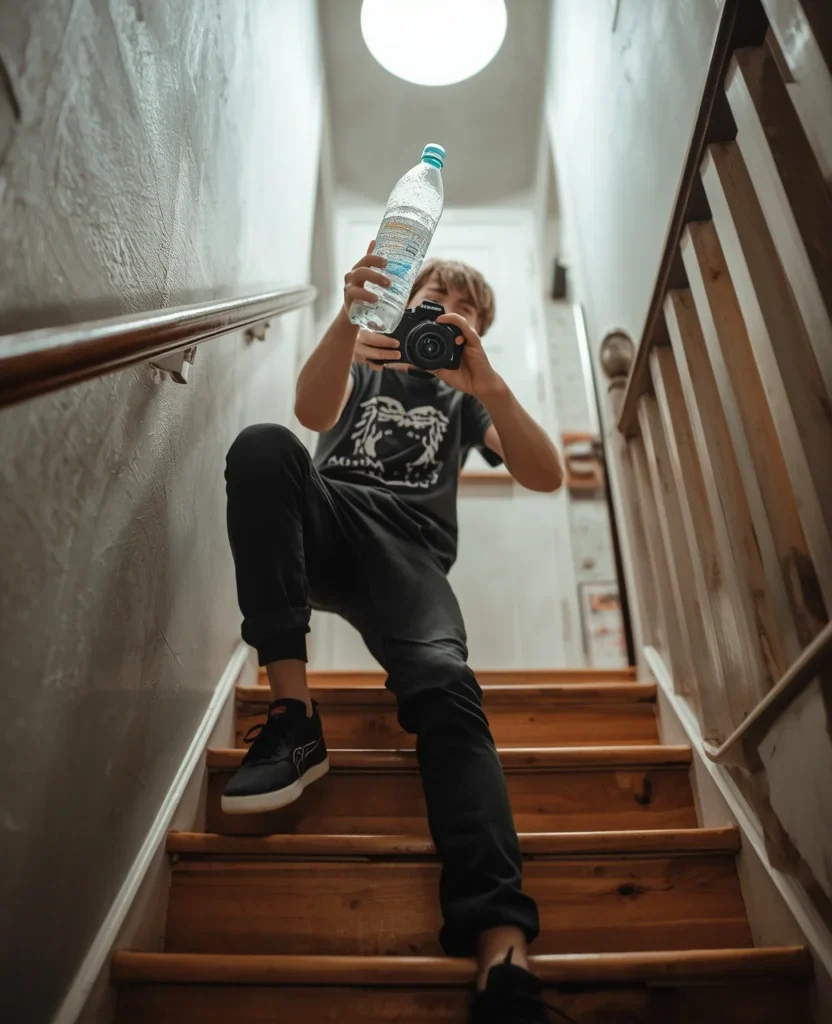
Once the basic flip feels routine, trick shots are where bottle flipping becomes an art form. Flip off a staircase railing, off a basketball backboard, off the back of your hand, or across two tables simultaneously. Players take turns proposing and attempting increasingly ambitious trick shots. Each successful land counts as a point, and the person with the most successful trick shots at the end wins.
The key rule: if you propose the trick, you have to attempt it first. This keeps the challenge fair and stops players from suggesting impossible shots they have no intention of trying themselves. Video every attempt — the successful ones look incredible on camera, and the spectacular failures are even better. Give extra points for style: a trick shot that lands after bouncing off two surfaces deserves more credit than a straight flip, obviously. Looking for even more outdoor fun? Check out these Summer Games.
10. Flip & Catch
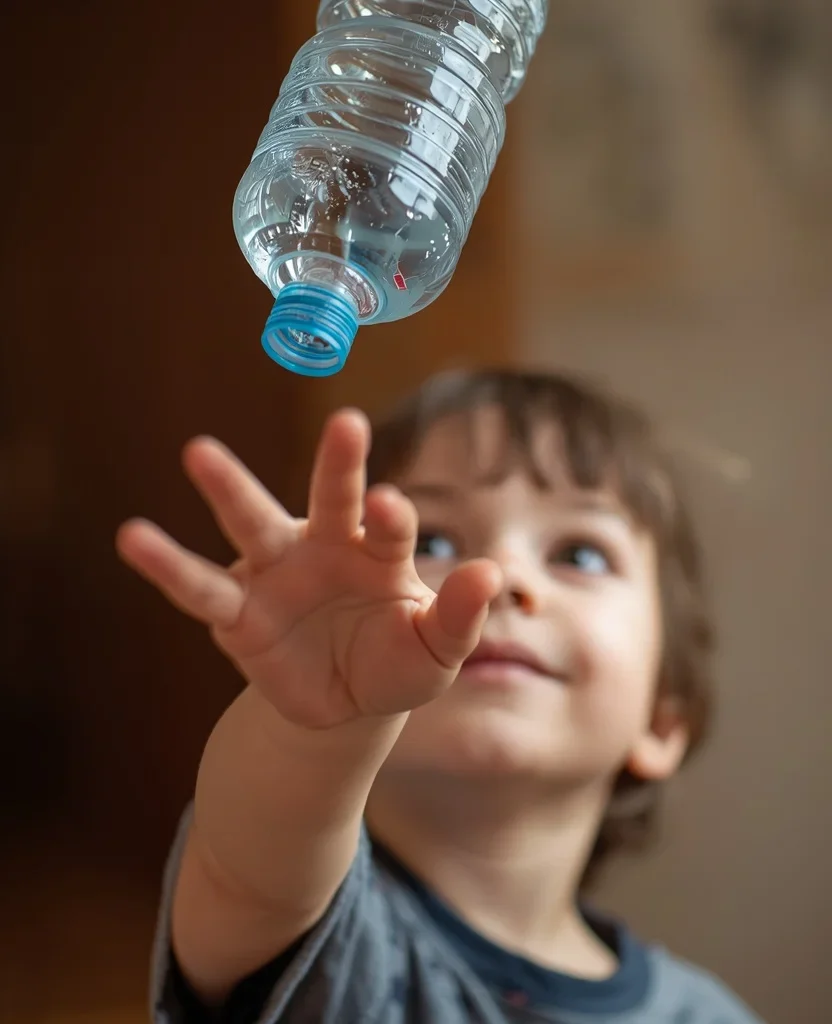
This variation adds a reflexes component to the usual flip. Instead of landing the bottle on a surface, players flip it upward and try to catch it upright in their palm or on the back of their hand as it comes back down. It sounds like it should be impossible. It isn’t — but it takes real practice, and the learning curve makes every successful catch feel genuinely rewarding.
Start with lower flips and slow rotations to build the catching technique before going for height. Position your hand flat and let the bottle come to you rather than grabbing for it — patience is the skill here. Once you can catch consistently at a low height, try flipping higher and faster. This is one of those bottle flip variations that looks wildly impressive to onlookers and yet requires nothing more than one bottle and persistence.
11. Multiple Bottle Land-All
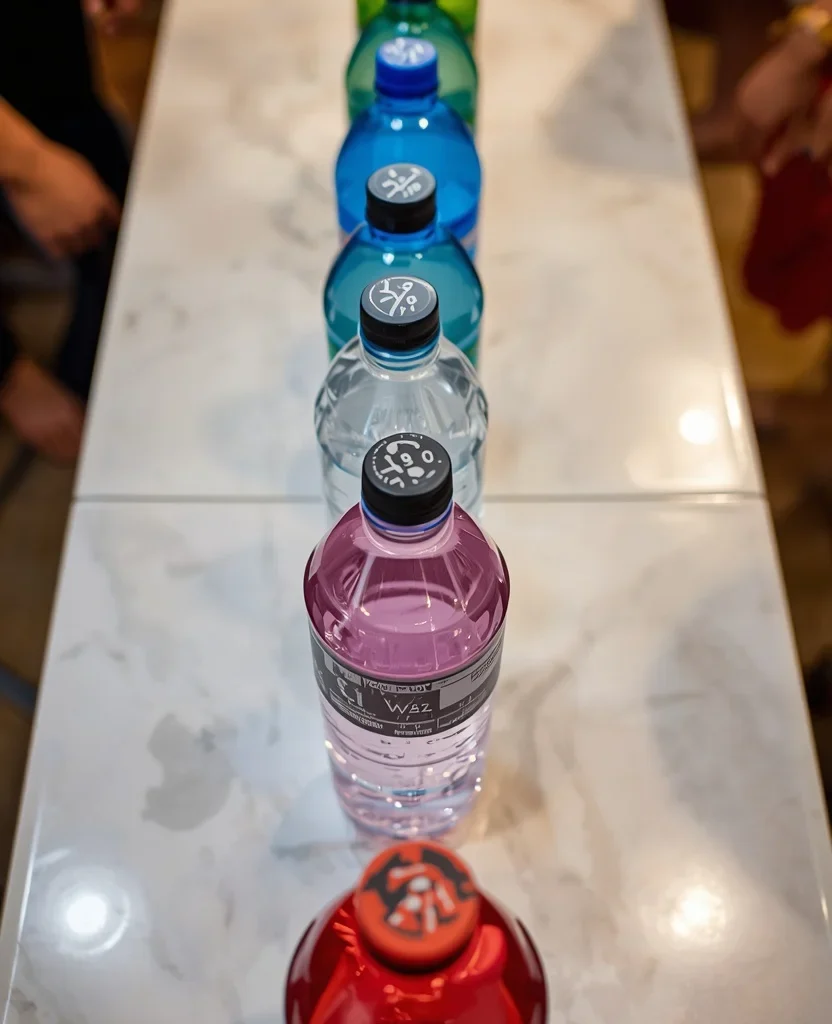
Why flip one bottle when you can flip five in a row? Line up three to five bottles at increasing distances, and players must land all of them consecutively. Miss any one, and you start the sequence over. The pressure of maintaining a streak while working through increasingly distant targets creates a challenge that’s both frustrating and deeply satisfying — often simultaneously.
This format rewards consistency over flashiness, which makes it a great equalizer between players with different skill levels. Set each bottle at a slightly different distance or height from the surface to vary the difficulty. For an extra twist, set a time limit for completing the entire sequence — suddenly even the easy early flips feel pressured. Great for solo practice sessions too; it’s a structured way to build technique without needing an opponent.
12. Tiny Bottle Flip
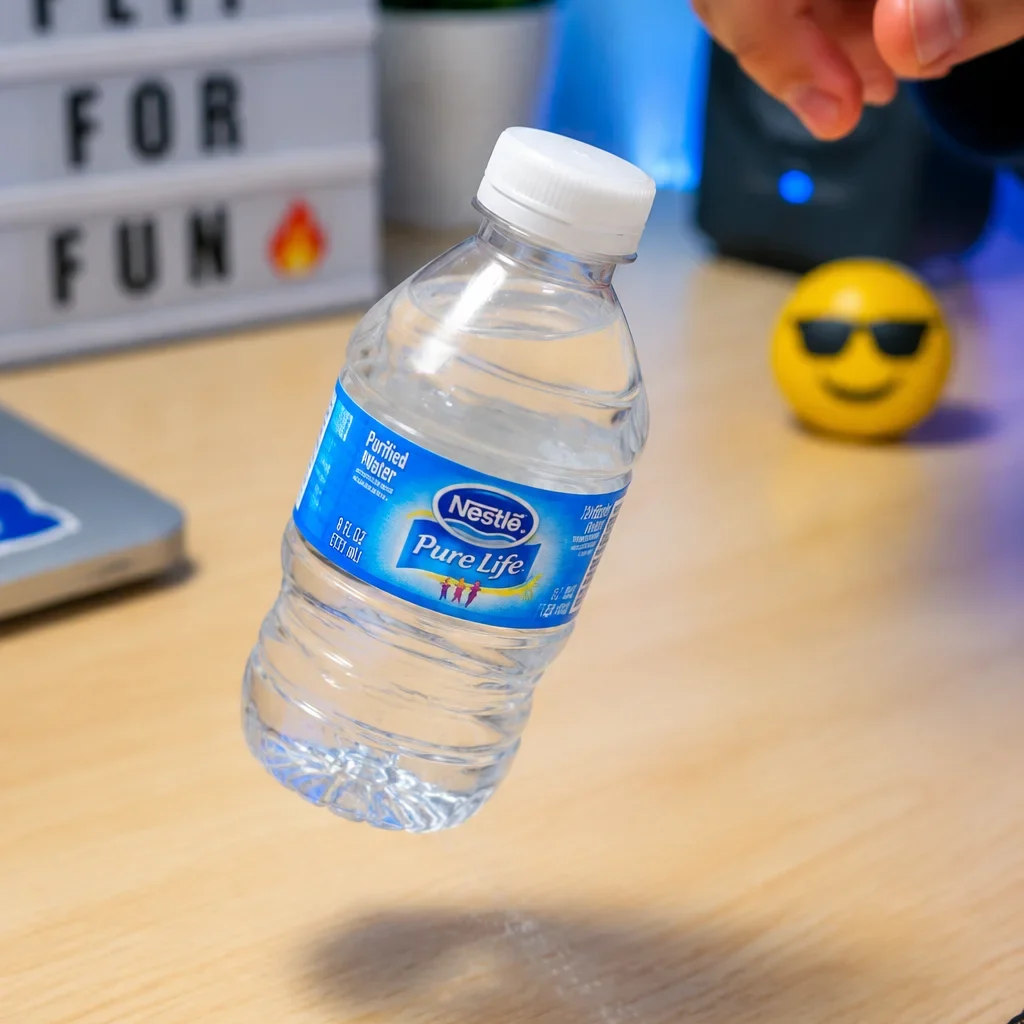
Everything is harder in miniature. Tiny bottle flipping — using small 8oz water bottles or juice bottles instead of standard 500ml ones — requires a completely different technique. The lighter bottle responds more dramatically to wrist movement, spins faster, and is far less forgiving of sloppy launches. Players who dominate the standard flip often struggle here, which makes it a brilliant equalizer for mixed-skill groups.
The fill level matters even more with tiny bottles — err toward less liquid rather than more, since a heavy mini bottle barely rotates. Practice the snap technique with a light, controlled wrist motion rather than a full arm toss. Tiny bottle flip tournaments are genuinely hilarious to watch because the scale makes every attempt look either incredibly precise or absolutely unhinged. Run it as a bonus round at the end of a regular tournament.
13. Bottle Flip Darts
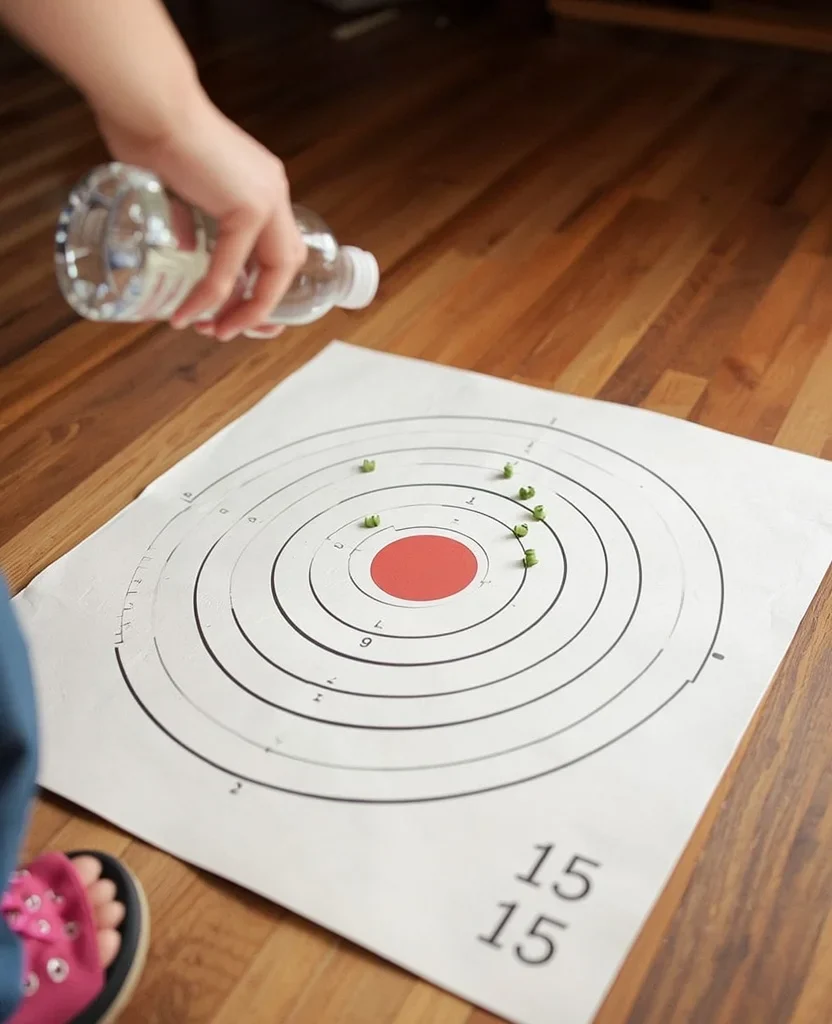
Combine the precision of darts with the chaos of bottle flipping, and you get bottle flip darts. Draw or print a target on the floor — concentric circles with point values, just like a dartboard — and players flip their bottle from a fixed line, trying to land it as close to the center as possible. Where the bottle lands and stays upright determines the score. Closest to the bullseye wins.
Use tape on the floor to create the target circles if paper isn’t available, and label each ring with a point value — 10 for the outer ring, 50 for the middle, 100 for the bullseye. Give players three attempts per round and add up the scores. The dart format is great for groups because it’s easy to run simultaneously, and scoring is instantly clear. This one works brilliantly at parties when you need a game that multiple people can watch and follow easily.
14. Flip the Bottle Truth or Dare

Blend two classics into one by using bottle flip as the deciding mechanic for truth or dare. Players sit in a circle. Each person attempts a flip — land it, and you give out a truth or dare to anyone in the group; miss it, and you receive one from the group. The bottle flip adds a skill-based element to the usual spin-the-bottle randomness, which makes the stakes feel earned rather than arbitrary.
Keep the truth or dare content age-appropriate and genuinely fun — the best ones are funny and mildly embarrassing, not uncomfortable. Prepare a list in advance so nobody stalls when it’s their turn to give a challenge. This version works brilliantly for tweens and teens at sleepovers or birthday parties. The combination of the bottle flip challenge and the social game keeps energy high throughout, and the session can run as long as the group wants.
15. Elevated Surface Challenge
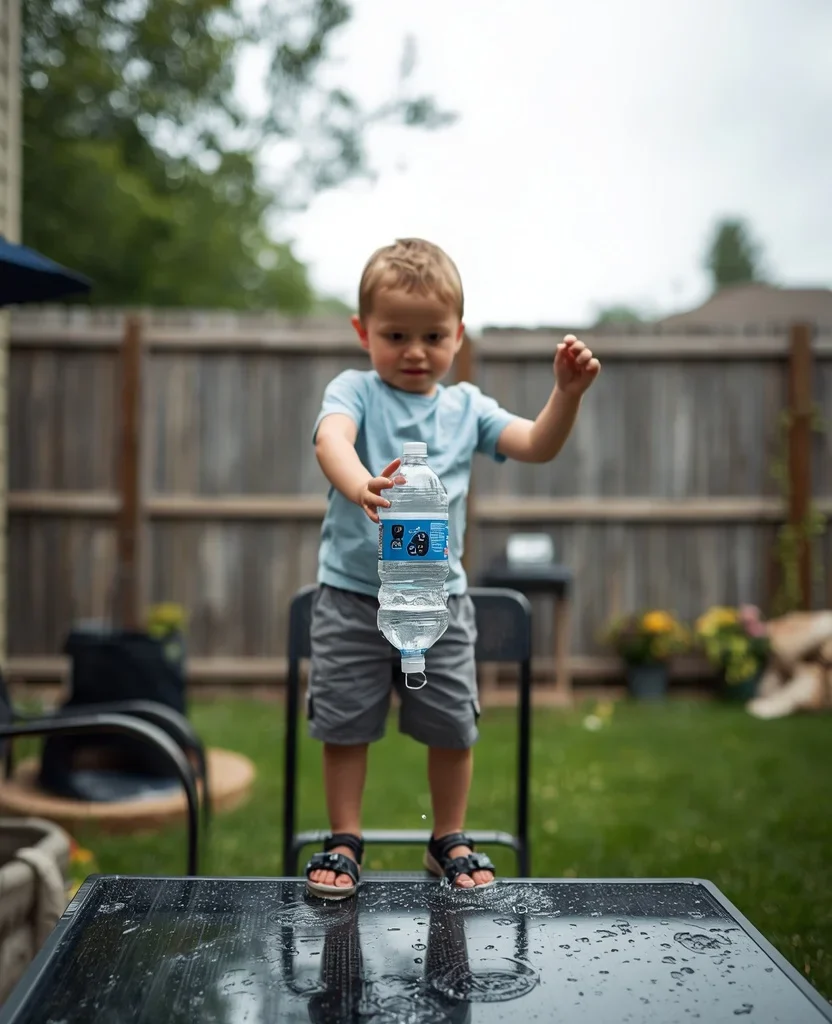
Sometimes the surface itself is the challenge. The elevated flip involves flipping the bottle from a higher surface down to a lower landing area — from a counter to the floor, from a step to the hallway, or from a stool down to a table. The height adds rotation speed and makes control harder. Players who’ve mastered the flat-surface flip will find this version humbling in the best possible way.
Vary the height difference between attempts to find the sweet spot where the bottle gets enough rotation without overshooting. Start with a small elevation (one step up) before going taller. The extra distance also means the bottle has more time in the air, which rewards confident flippers and punishes hesitant ones. Great for outdoor staircase settings where you can run a progression from the first step to the top, treating each level as a new challenge.
16. Spin and Flip Combo

Spin first, flip second. The spin-and-flip combo requires players to spin themselves around three times before attempting the bottle flip. The dizziness throws off spatial awareness, ruins hand-eye coordination, and produces some of the most dramatically bad bottle flips you’ve ever witnessed. It’s intentionally unfair and absolutely hilarious — which makes it perfect for a party game rotation.
The funny thing is that some players actually land it on their first try post-spin, purely by accident — and those moments are always met with the kind of outrage that only very silly games can produce. Add a rule that players must attempt the flip within three seconds of stopping their spin to prevent cheating via waiting for the dizzy feeling to pass. This one always gets the loudest reaction of any bottle flip variant. Absolutely zero skill involved. Highly recommended.
17. One-Handed Flip Only
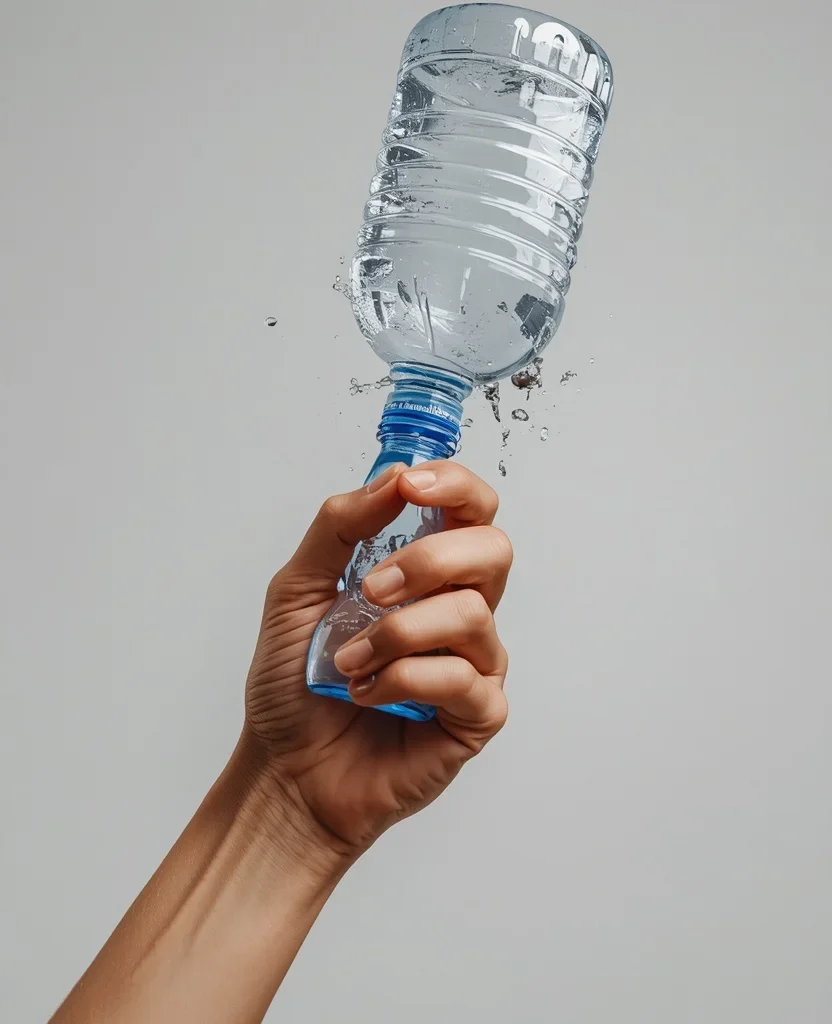
The one-handed flip using your non-dominant hand is a legitimate skill challenge that separates casual flippers from dedicated ones. Most people flip with their dominant hand without thinking about it; forcing a switch instantly resets skill level back to near-beginner. Watch confident players suddenly look like they’ve never seen a water bottle before. The struggle is real, the progress is visible, and the eventual landing with the ‘wrong’ hand feels incredible.
Run this as a dedicated round after players have warmed up with standard flips. Give each player five attempts with their non-dominant hand and award points for each successful landing. The difficulty spike is immediate and visible, which creates great parity between players of different skill levels. This is also excellent solo practice — working your non-dominant hand actually improves your dominant-hand technique by forcing you to think about the mechanics deliberately.
18. Bottle Flip Tic-Tac-Toe
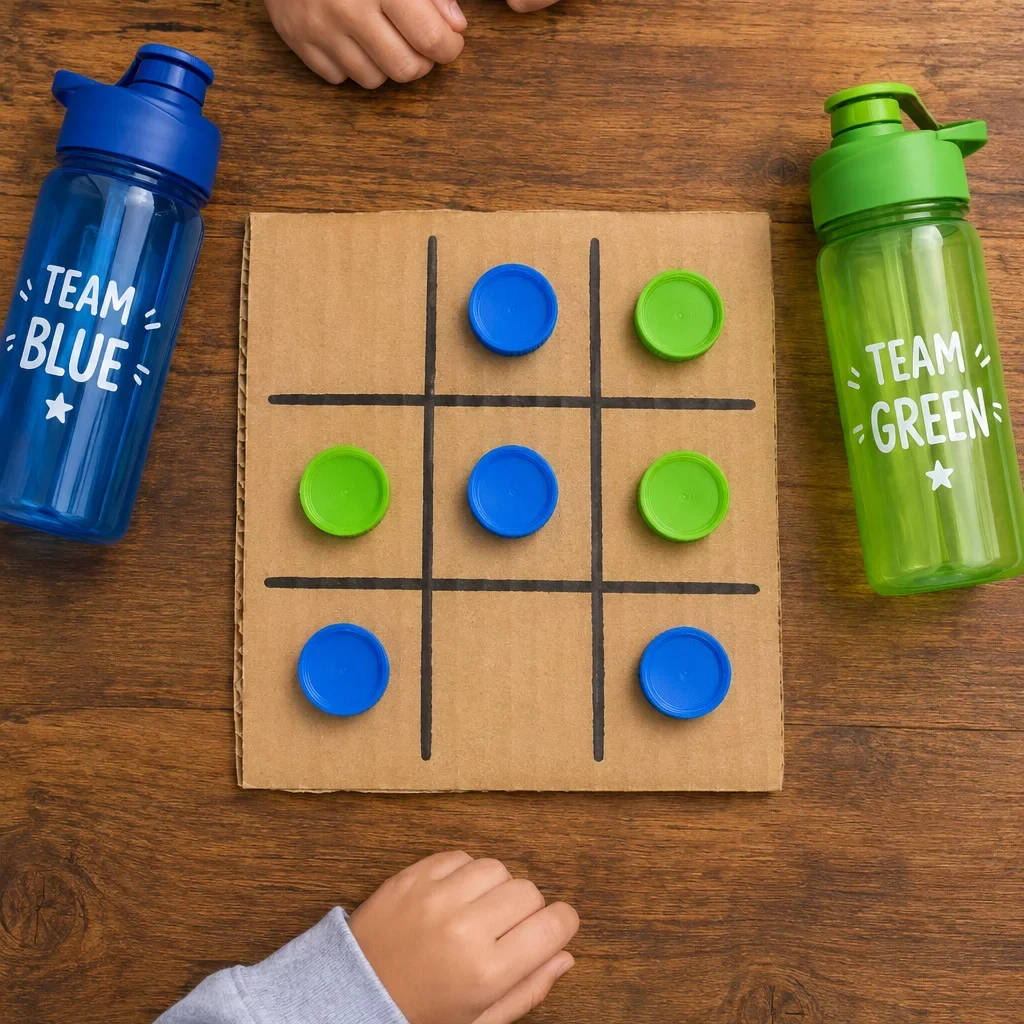
Give classic tic-tac-toe a physical twist by using bottle flip accuracy as the move mechanic. Draw a tic-tac-toe grid on a piece of cardboard or tape one on the floor. Each square is a target. Players take turns flipping their bottle — wherever it lands and stays upright becomes their claimed square. First to get three in a row wins. Strategy meets skill in a surprisingly tense way.
The grid version adds a tactical layer that pure distance or timed games don’t have. You might aim for the center square and land in a corner, which changes your whole strategy. Players learn quickly that you can’t always aim precisely, so adapting to where you land becomes as important as the flip itself. Use two different bottle colors for each player to keep track of claimed squares easily.
19. Flip Jenga Rules
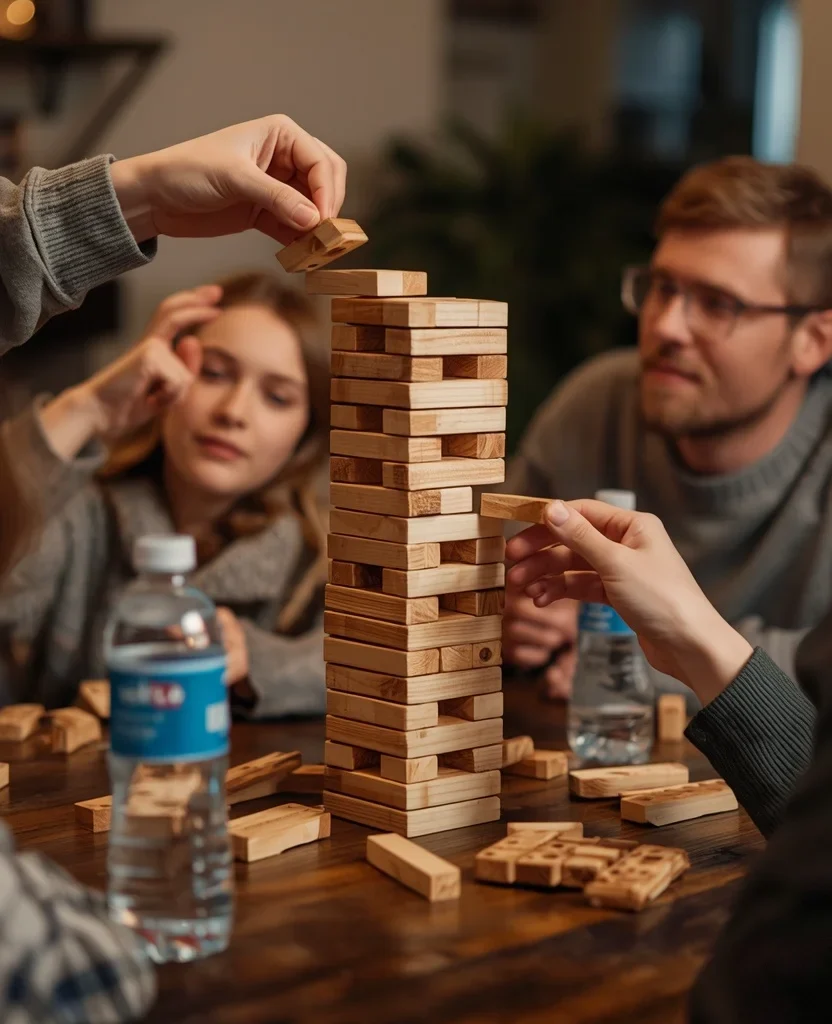
Add bottle flip as a condition layer on top of Jenga. Before pulling a Jenga block, players must successfully flip the bottle. Land it, and they choose any block they want. Miss it, and they must pull from the top three rows only. This adds a skill-based pressure layer to Jenga that makes every turn more tense. The tower gets precarious faster because players are blocked from the strategic pulls.
You can flip the rule for extra chaos: miss the flip and pull from the easiest position; land the flip, and you must pull from the most dangerous spot. This punishes skilled flippers and rewards the lucky ones, which levels the playing field in a wonderfully unfair way. Either version works; the best one depends on your group. Combine this with the regular Jenga timer rule for maximum edge-of-your-seat tension at game night.
20. Team Flip Score Battle
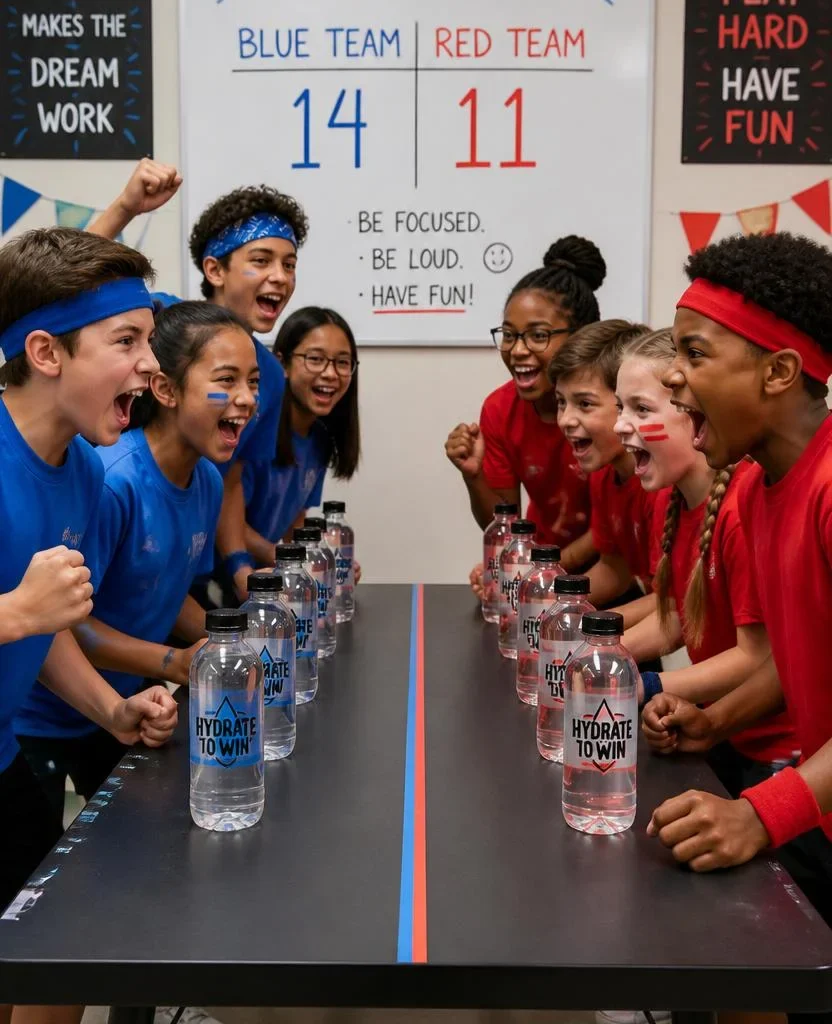
Divide players into two teams for a head-to-head flip score battle. Each team gets 10 flips per round. Every successful landing scores a point for the team. The team with more points after three rounds wins. This format works brilliantly with larger groups because everyone participates and team energy carries players through the pressure. Cheering teammates genuinely helps — there’s something about an audience that improves flip success rates.
Rotate the order of flippers each round so everyone gets equal attempts. Track scores on a whiteboard or large paper so the whole group can see the running total — visible scores increase competitive tension naturally. Add a sudden-death round if teams are tied after three rounds: one flip each, highest combined score wins. This format turns a casual game into a proper team event and works brilliantly as a party activity.
21. Bottle Flip Scavenger Hunt
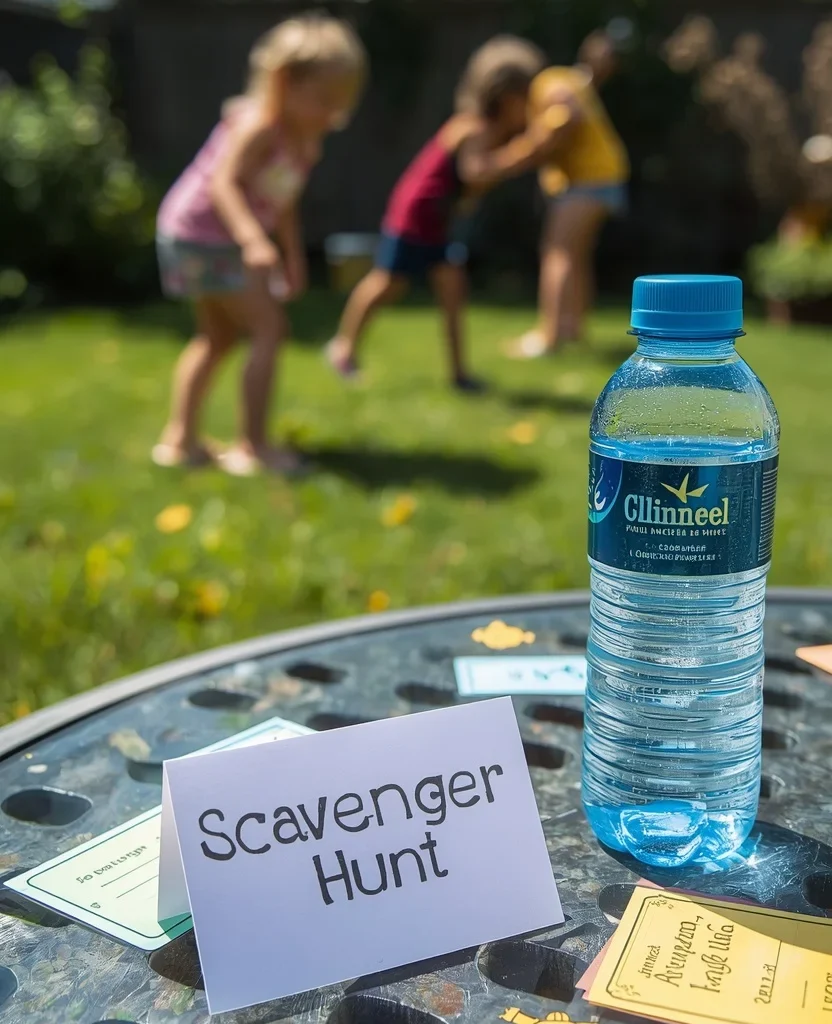
Blend two great activities by hiding scavenger hunt clues that unlock with a successful bottle flip. At each clue location, players must land a flip before they can open the envelope and read the next clue. Miss the flip, and they have to wait 30 seconds before trying again. The bottle flip acts as a gate that slows players down and adds a skill challenge to the usual run-from-clue-to-clue format.
This version works brilliantly as a birthday party main activity because it combines physical skill, problem-solving, and movement into one flowing experience. Set up five to eight clue stations and make the final location lead to a small prize or the birthday cake table. Players remember this kind of layered activity because it feels like a real adventure rather than just a game. The bottle flip gates add just enough friction to make the eventual prize feel earned.
22. Flip Challenge Dice Game
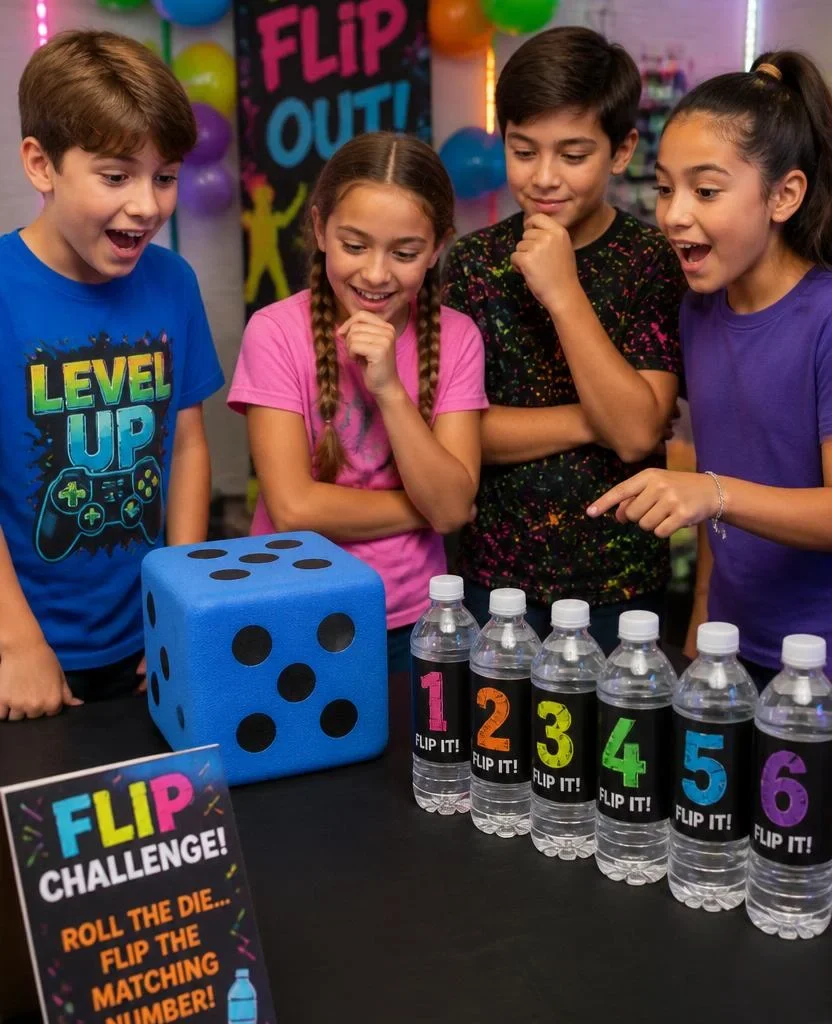
Roll a die to decide your flip challenge. Assign a different bottle flip variant to each number: 1: classic flip, 2: non-dominant hand, 3: eyes closed, 4: from a standing position, 5: two bottles simultaneously, 6: player’s choice. Roll before each turn, and the die decides the challenge. This randomness means nobody can specialize too heavily in one style, and the unpredictability keeps every round feeling fresh.
Make a simple laminated reference card with the six challenges listed so players don’t have to memorize the rules. Change the challenges between games to extend the format — you could play this with the same group multiple times without it feeling repetitive. The dice mechanic also removes any arguments about challenge fairness because the die is neutral. Give 2 points for landing a level 5 or 6 challenge and 1 point for levels 1–4 to reward risk.
23. Over-Under Flip
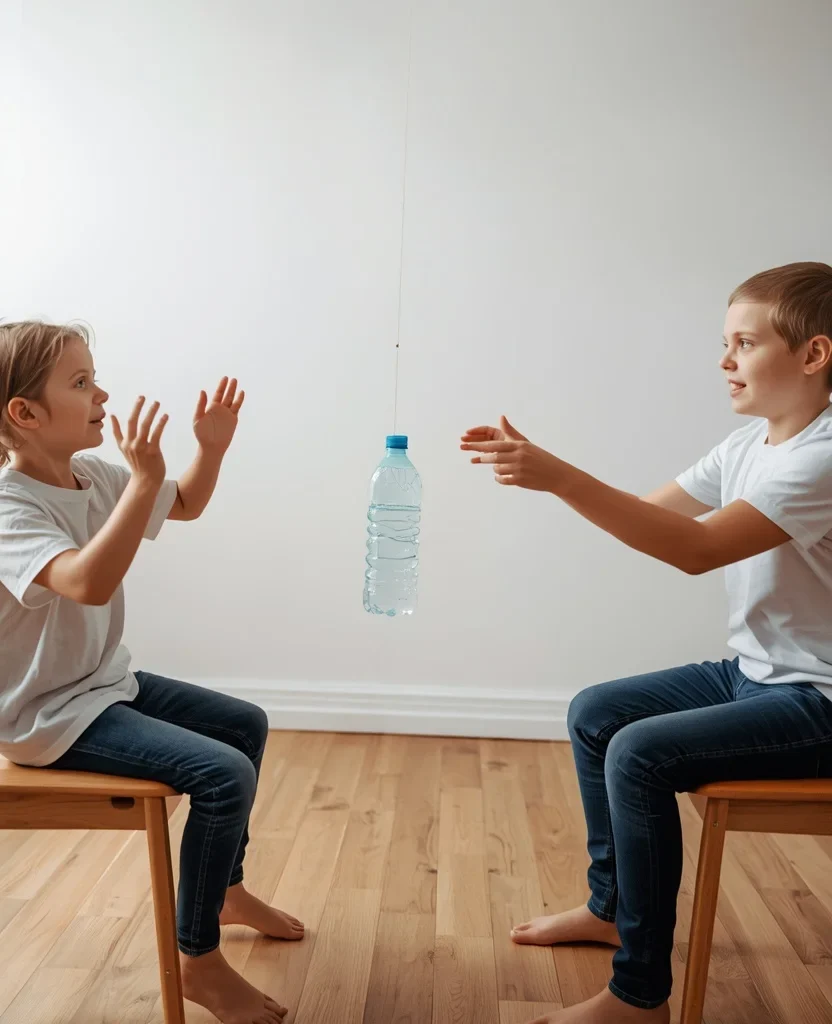
String a piece of rope or tape between two chairs at different heights, and players must flip the bottle cleanly over the string and land it upright on the other side. The string acts as both a height minimum and a visual target. Flipping under the string doesn’t count — you must clear it. This adds directionality and precision to the usual flip, which significantly increases the challenge level.
Adjust the string height to change the difficulty — lower for beginners, shoulder height for experienced players. Add a second string lower to the ground to create an ‘over-under’ gate that the bottle must pass through: over the high string, under the low one, and land upright. That three-condition challenge is genuinely difficult and will produce some of the most interesting flip trajectories you’ve ever seen. Great for players who find the basic flip too easy.
24. Flip Tournament Bracket
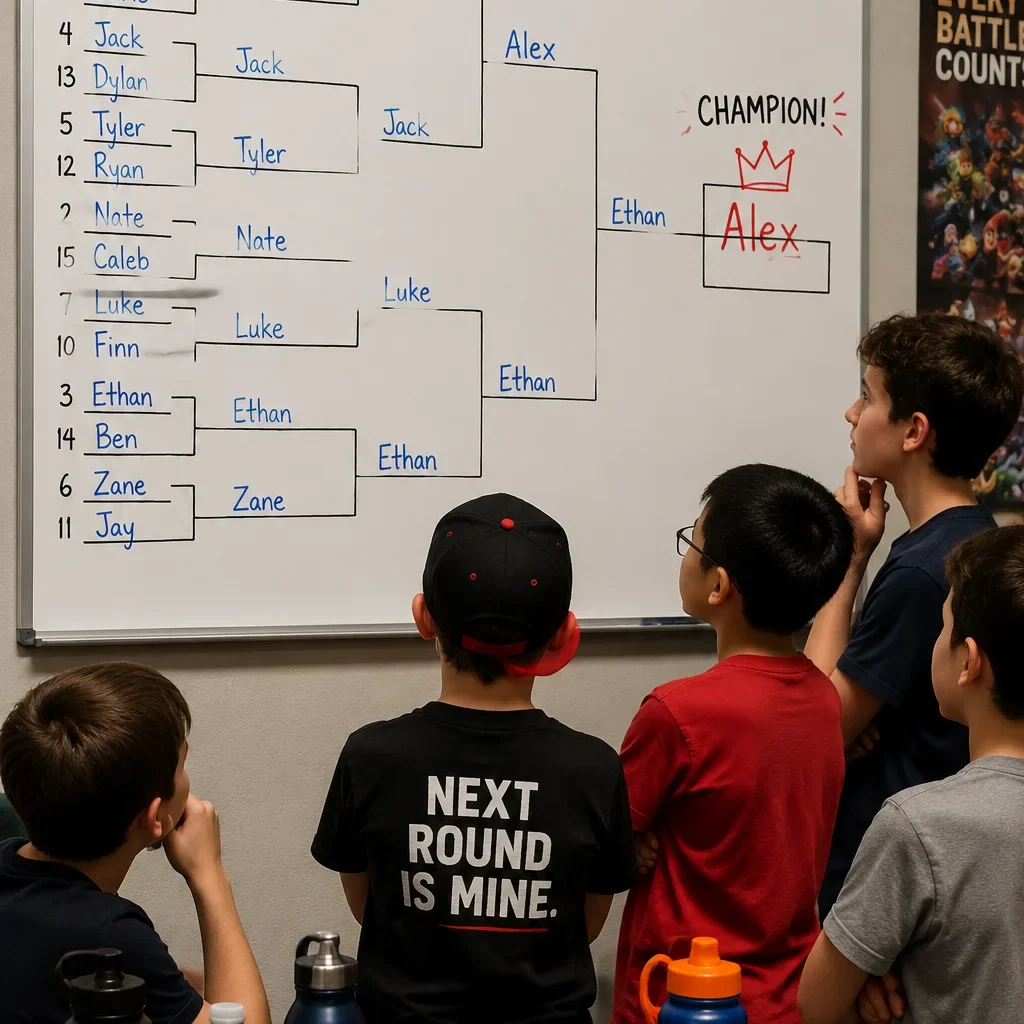
The ultimate bottle flip game format: a full single-elimination tournament bracket. Seed all players in a bracket (you can find free printable brackets online), then run head-to-head matches where each player gets five flips per round. Most successful landings advance. Winning a bracket match feels genuinely satisfying because you’ve earned it through multiple rounds against real opponents, not just a single lucky flip.
Draw the bracket on a whiteboard or large paper and update it publicly as matches complete. The visible bracket is half the event — players study it, speculate about matchups, and start building rivalries by the quarterfinal. Run a third-place match, so no one gets knocked out without a finale. Award a simple prize for the winner — a custom bottle flip champion certificate printed at home is genuinely fun and costs nothing. The tournament format turns a simple game into a proper event. 🙂
The Flip Side
Twenty-four ideas. One water bottle. That’s really all you need for a legitimately fun, zero-cost game session that works for kids, teens, adults, and honestly, anyone in between. Start with the classic one-flip challenge to warm up, then layer in tournament brackets, trick shots, or the spin-and-flip chaos round depending on your group. The beauty of bottle flipping is that the skill ceiling is surprisingly high — there’s always a harder version of the challenge waiting once you master the current one. Now go flip something. You can also combine these with Simon Says Commands for a full game day.

One Comment